20 Years of The Devil Wears Prada
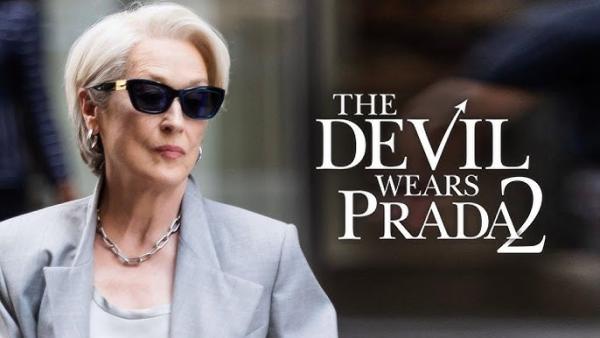
20 years since its release, David Frankel’s The Devil Wears Prada endures as one of the greatest chick flicks of all time. The film follows Andy Sachs (Anne Hathaway), a Northwestern University graduate with dreams of working as a serious journalist for an outlet like The New Yorker. She is perfectly unsuited to work as an assistant to Miranda Priestly (Meryl Streep), the formidable and elusive editor-in-chief of Runway, the world’s most distinguished fashion magazine, which is precisely the job she gets hired for. At first, Andy sanctimoniously scoffs at Runway’s high-stakes environment, but over the course of the film, we see her work (and her boss) envelop every aspect of her life. The Devil Wears Prada is adapted from Lauren Weisberger’s roman-à-clef of the same name, which documents her year working as an assistant to Anna Wintour at Vogue—erm, I mean assistant to Miranda Priestly at Runway. While Weisberger’s book self-righteously flattens Priestley and the fashion world into caricatures of frivolity, Aline Brosh McKenna’s screenplay presents a funny, nuanced, and thrilling narrative that refuses to denigrate its characters or subject matter.
The film insists that audiences understand why characters like Miranda (played by Streep with icy restraint and precision), Emily (the obsessive and brusque first assistant to Miranda, played by Emily Blunt), and Nigel (the devoted creative director of Runway played by Stanley Tucci) sacrifice any stability or semblance of personal lives in order to work in fashion, and more specifically at Runway. When Nigel asks Andy, “Don’t you know that you are working at the place that published some of the greatest artists of the century?” he is asking us that same question; when Nigel explains to Andy that Runway was a “shining beacon of hope” for young boys like himself, he is explaining that to us as well. Sure, The Devil Wears Prada has elements of satire, but the film ensures audiences realize that for many people, the stakes are that serious.
The film’s reverence for fashion is additionally evident in its impeccable costuming. Designer Patricia Field has spoken in interviews about how difficult sourcing clothes for the film was, since designers were terrified of Anna Wintour’s wrath. Her persistent efforts paid off, as the wardrobe she created enhances each character’s identity: Emily’s outfits accentuate her blunt edginess, while Miranda’s outfits convey her domineering impenetrability. The Rick Owens pieces worn in the film are permanently etched in my mind’s eye.
The Devil Wears Prada 2 is set for release in just under a month, and I must admit that based on its trailers, I am feeling rather cynical about this sequel. Jokes about Miranda Priestly attempting to navigate political correctness don’t seem all that exciting, and the costumes look plain tacky, which is a major deficiency for a film about the fashion industry. Regardless, one thing I have learned is that if you enter sequels with dubious expectations, you either get pleasantly surprised or you get to gloat about being correct in your assumptions—both enjoyable outcomes, if you ask me. So come May 1, I will be seated no matter what.



Staff Login | Advertise | Our Location | RSS | Contact Us
